The perfect size for your QR code depends on how it is used, and from which distance it is scanned.
QR-codes come in many different forms and sizes. A very small QR-code on the back of packaging for extra information, or an enormous QR-code on a billboard so it can be scanned from far away. What are the minimal measurements of a QR-code, and what is the ideal size for a QR-code?
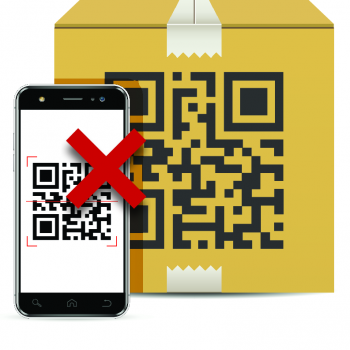
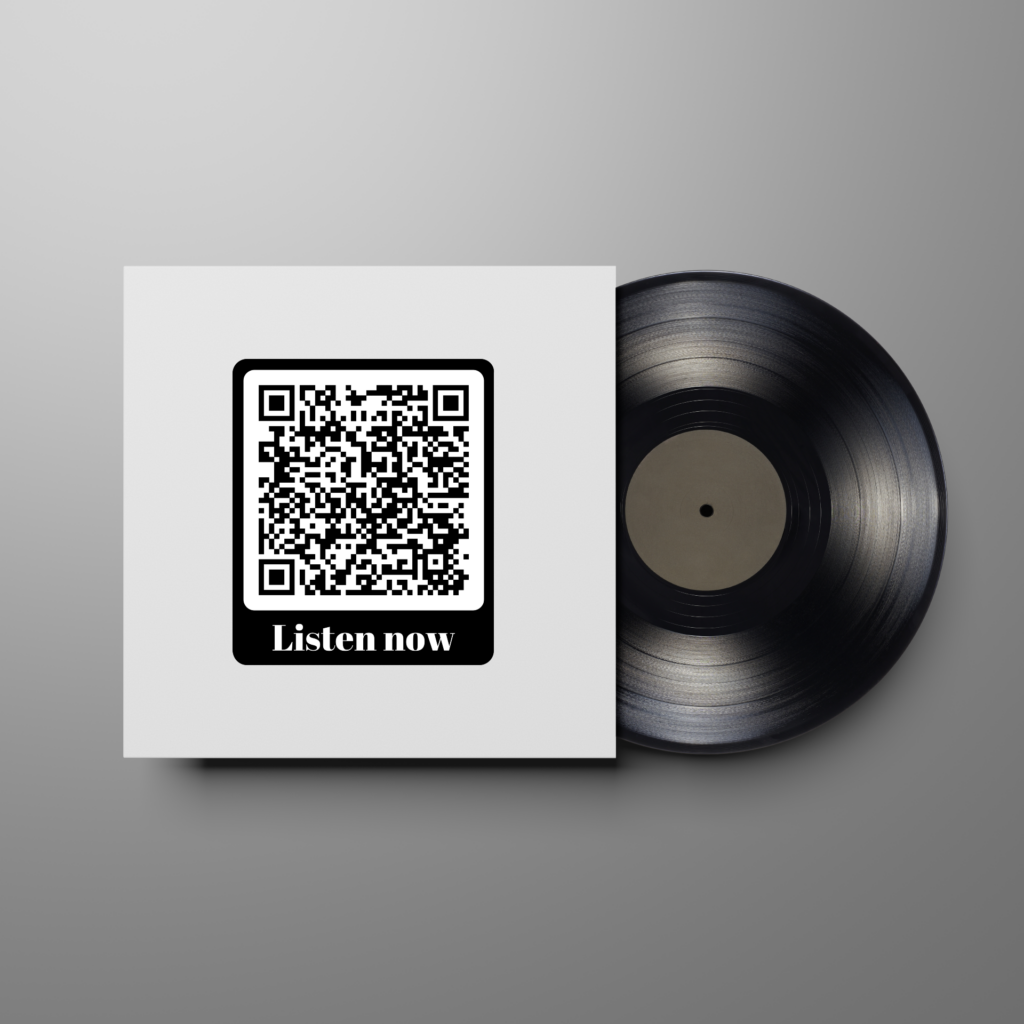
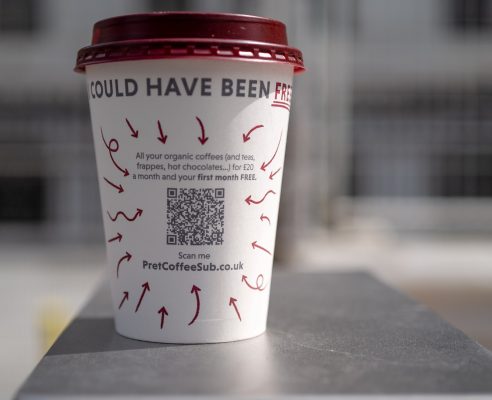
When a QR-code is physically small, a camera can't read the blocks in the QR-code. A QR-code can't be scanned because of this. Which measurements are required to avoid this?The minimal measurements of a QR-code depends on the amount of data in the QR-code (and thus blocks) and from which distance the QR-code is scanned.If 2 QR-codes are both 1x1 cm, but one contains much data, and the other one contains less, there is a good chance the former can't be scanned, and the latter can. This is possible because a QR-code with much data also contains more blocks. When both QR-codes are equally large, the blocks in the QR-code with more data are packed more densely than the other. For the camera it is thus harder to recognize the blocks in the QR-code which contains more data. This QR-code contains much data, which is why it cannot be scanned. This one contains less data, so it can be scanned. Try it out! As minimal size for a QR-code 1x1 cm can be used. But if it contains much data, or is scanned from a long distance the QR-code has to be larger. To get the ideal size we have to know how the QR-code is used. Say, you use a QR-codes for restaurant tables so customers can open the menu, then a small QR-code can suffice. When you put a QR-code next to a road, the QR-code has to be much larger. The ideal size of a QR-code differs for each situation. 1x1 cm can be used as absolute minimum, but larger QR-codes attract more attention, and can be scanned more easily. This QR-code is scanned from a short distance, so it can be small.